

Introduction
Tinnitus, often defined as a ringing, buzzing, or humming in the ears, is a condition that affects millions of people around the world. It's an auditory perception where no external sound is present, and it can manifest in various ways, from constant noise to intermittent episodes. For some, tinnitus is a mild annoyance; for others, it's a debilitating condition that impacts daily life.
Understanding tinnitus is not just about recognising the sound. It's about delving into the underlying causes, triggers, and individual experiences that make this condition so complex and varied. From exposure to loud noises and certain medications to stress and underlying health conditions, the things that make tinnitus worse are numerous and multi-faceted.
This comprehensive guide aims to explore the world of tinnitus in detail, providing insights into its triggers, fluctuations, special considerations, and everyday management strategies. Whether you're someone living with tinnitus or a healthcare provider seeking to understand it better, this guide offers a compassionate and informed approach to a condition that is often misunderstood.
Understanding why your tinnitus is getting louder
Tinnitus is a complex phenomenon that requires a nuanced understanding. It's not merely a sound but a symptom that can have profound effects on daily life. This section explores the different types, common triggers, and related medical considerations.
One thing worth ruling in or out early is whether ordinary sound has also started feeling too loud. That is hyperacusis, it commonly travels with tinnitus, and it responds to treatment of its own.
Types of tinnitus
There are two main types:
- Subjective tinnitus: The most common form, only heard by the affected individual. Often linked to hearing loss, it can be caused by damage to the inner ear or auditory nerve.
- Objective tinnitus: A rare form that can be heard by others, including healthcare providers. Often related to vascular or muscular issues, it may require medical intervention.
What causes tinnitus to get worse?
Tinnitus is often characterised by its fluctuating nature, with periods of increased intensity or ‘spikes’. These spikes refer to sudden increases in the intensity, volume, or frequency of the ringing or buzzing sound and can last from a few minutes to several days.
Common triggers
- Loud noises: Exposure to loud noises, whether through occupational settings like construction or recreational activities such as concerts and motorcycling, can lead to temporary or permanent tinnitus. Sudden, extremely loud noises like explosions can also cause immediate damage.
- Stress and anxiety: Mental health issues can exacerbate existing tinnitus, creating a challenging cycle where anxiety about the condition leads to increased perception and severity. Physical reactions to stress, like increased heart rate, can also contribute to the condition.
- Medications: Certain medications, including specific antibiotics, cancer treatments, and high-dose aspirin, have been linked to the condition. These drugs are considered ototoxic, meaning they can damage the inner ear and lead to temporary or permanent tinnitus.
- Diet: Excessive intake of caffeine, salt, or sugar may exacerbate symptoms by affecting blood flow and pressure in the inner ear.
- Sleep: Lack of sleep or disrupted sleep patterns can contribute to increased stress and fatigue, which may exacerbate tinnitus symptoms.
- Exercise: Regular exercise contributes to general health and can positively influence tinnitus by improving blood circulation to the ear. However, strenuous or high-intensity exercise may temporarily worsen symptoms for some individuals.
- Earwax buildup: Excessive earwax can block the ear canal, leading to irritation and an increased perception of noise. This blockage can cause sounds to be amplified within the ear, making tinnitus more noticeable. Our guide to earwax and tinnitus covers how to tell whether wax is contributing and how to have it removed safely.
- Age-related hearing loss: As people age, the inner ear's hair cells, responsible for transmitting sound to the brain, can become damaged or die, leading to hearing loss. This loss of hearing function often results in tinnitus, as the brain may generate phantom noises to compensate for the missing auditory input.
Medical considerations

- Ear infections: Ear infections can cause temporary ringing or other symptoms due to inflammation and fluid buildup in the middle ear. Treatment of the underlying infection often resolves the tinnitus.
- Blood pressure: Both high and low blood pressure can have a profound impact by altering the blood flow to the ear. High blood pressure may cause more noticeable symptoms, while low blood pressure might lead to faint or intermittent sounds.
- Health conditions: Thyroid disorders can impact the body's metabolism, leading to this condition. Similarly, anaemia may limit the oxygen supply to the ear, causing symptoms. Autoimmune diseases also have the potential to target structures within the inner ear. Finally, structural abnormalities in the inner ear can directly affect one's hearing, resulting in tinnitus.
- Ménière's Disease: This is an inner ear disorder that can cause episodes of vertigo, hearing loss, and tinnitus.
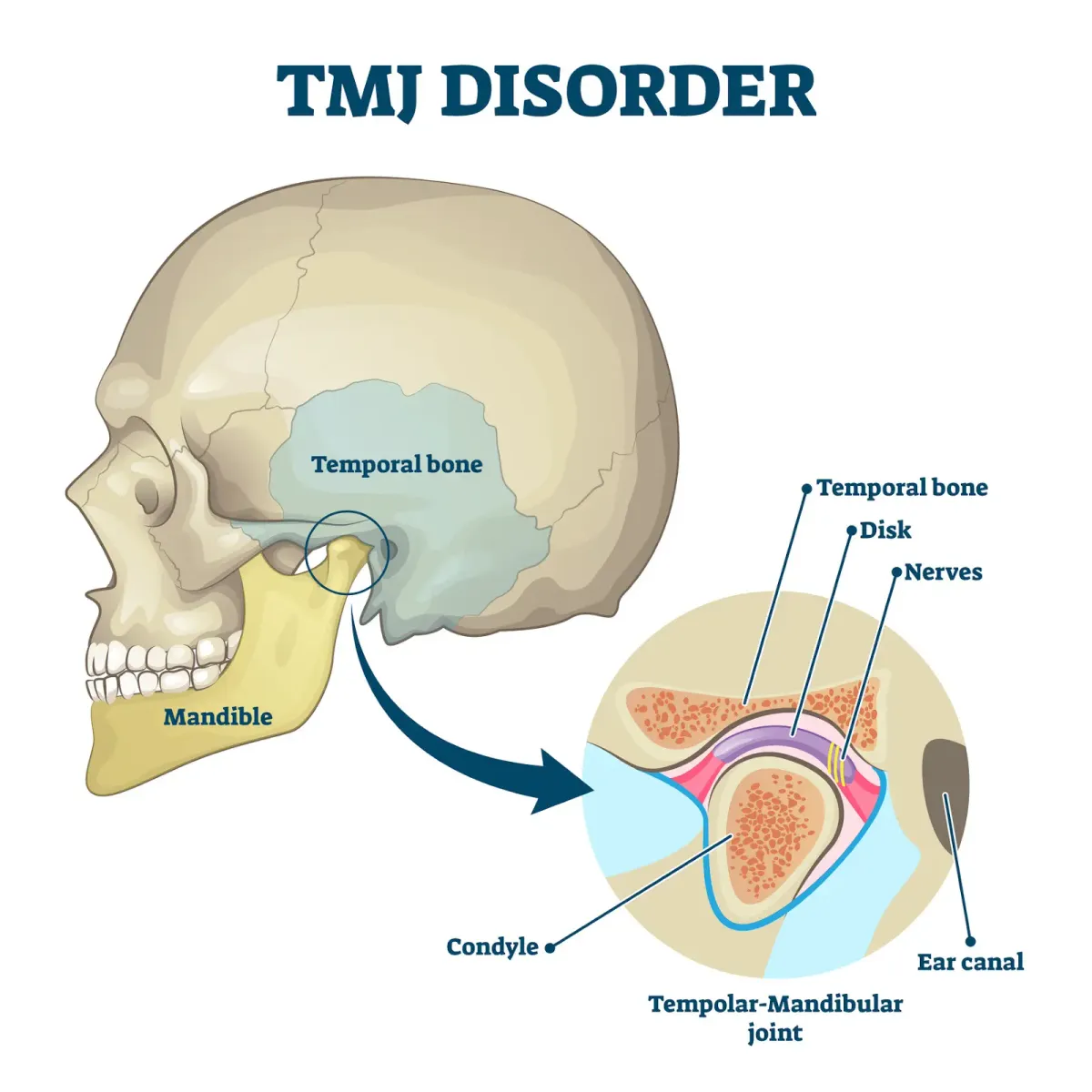
- Temporomandibular Joint (TMJ) disorders: TMJ disorders affect the jaw joint and surrounding muscles, and they may cause the condition due to the close proximity of the jaw to the ear's structures. Symptoms like clicking, popping, or pain in the jaw can be accompanied by tinnitus.
- Tumours: Rarely, a tumour on the auditory nerve, known as an acoustic neuroma, may lead to tinnitus. This benign growth can press on the nerve, causing hearing loss and the perception of sound in one ear.
Environmental factors
- Seasonal allergies: Allergies can cause congestion and inflammation in the nasal passages and eustachian tube. The associated pressure changes in the ear can create or exacerbate ringing or buzzing sounds. Congestion from a cold or a sinus infection can do the same thing.
- Air pressure changes: Rapid changes in barometric pressure during weather shifts or flying can temporarily affect the ear's pressure balance, leading to flare-ups.
- Climate and humidity: Dry conditions may cause irritation, while high humidity can lead to infections or other ear issues.
- Chemical exposure: Exposure to certain chemicals, especially in industrial settings, may contribute to tinnitus. Ototoxic substances like solvents and heavy metals can damage the inner ear.
- Smoking: Smoking can narrow blood vessels and limit oxygen supply to the ear cells. More specifically, the nicotine and other chemicals in tobacco can affect the nervous system and exacerbate existing tinnitus or contribute to its onset.
- Alcohol: Alcohol consumption can temporarily increase blood pressure and affect the inner ear's fluid balance. While moderate drinking may not have a significant impact, excessive alcohol intake can lead to persistent symptoms.
How to prevent tinnitus from getting worse
Navigating the complexities of tinnitus involves a multi-faceted approach, especially when it comes to preventing the condition from worsening.
Identifying triggers
- Personal triggers: These can vary widely among individuals and may include specific sounds, foods, medications, or stressors. Identifying personal triggers is the first step in managing spikes.
- Tinnitus journal: Keeping a journal helps in tracking the occurrence, intensity, and potential causes of spikes. Recording daily activities, meals, and emotional states alongside tinnitus experiences can reveal patterns and guide individualised management.
Sound therapy
- White noise machines: These devices produce soothing sounds that can mask tinnitus, especially during sleep or quiet times. They can be customised to individual preferences and are often recommended by audiologists.
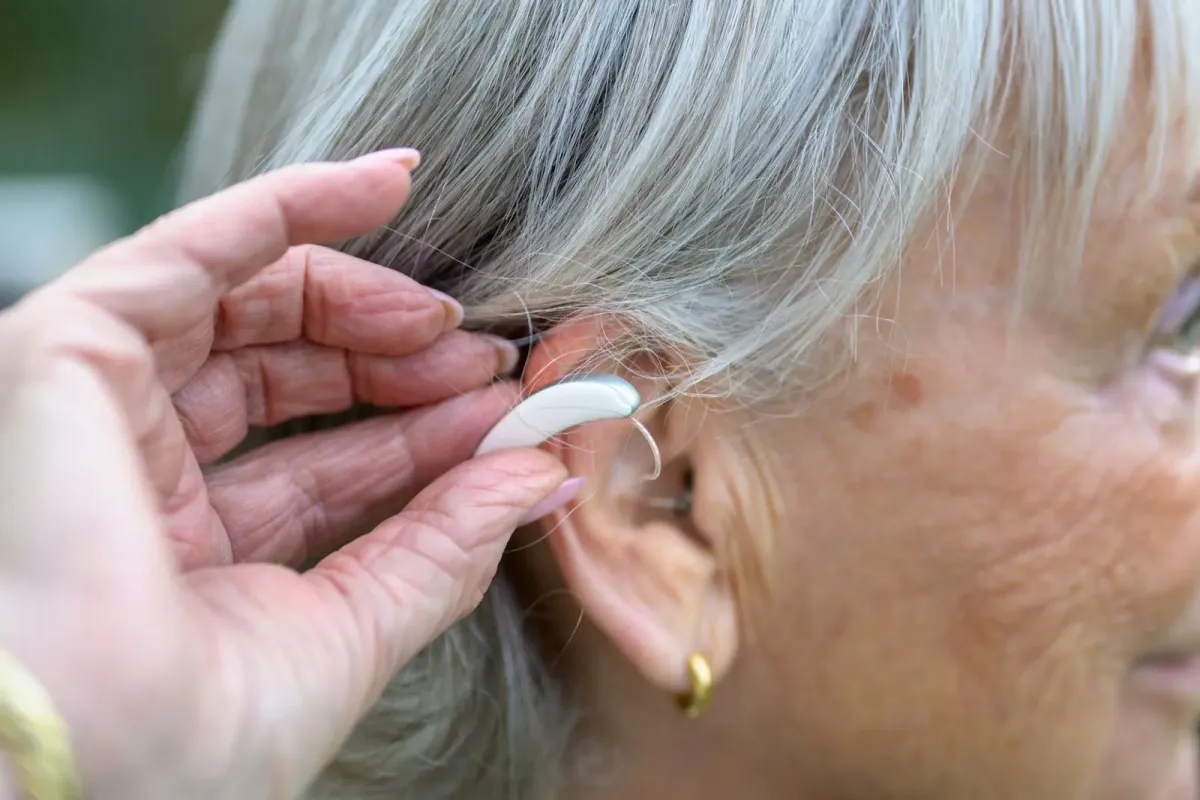
- Hearing aids: For individuals with hearing loss, hearing aids can amplify regular sounds, making the condition less noticeable. Modern hearing aids often include tinnitus-specific features.
- Customised sound therapy: Audiologists can create personalised sound therapy based on an individual's tinnitus frequency. This targeted approach can provide significant relief during spikes.
Lifestyle adjustments
- Dietary considerations: Identifying and avoiding foods or substances that trigger spikes, such as caffeine, salt, or alcohol, can reduce occurrences. Nutritional guidance may be beneficial.
- Stress management: Techniques like meditation, yoga, or deep breathing can alleviate stress-related spikes. Professional counselling may also help in developing personalised relaxation strategies.
- Sleep hygiene: Proper sleep is vital. Creating a calming bedtime routine, avoiding screens before bed, and maintaining a consistent sleep schedule can prevent fatigue-related spikes.
Medical interventions
- Medication review: Some medications may contribute to spikes. Regular review with healthcare providers can identify problematic drugs, allowing for adjustments or alternatives.

- Therapeutic support: Cognitive-behavioral therapy (CBT) or other therapeutic interventions can provide psychological support, teach coping strategies, and enhance emotional well-being.
Specifically, CBT offers a personalised and evidence-based approach to managing tinnitus, particularly during distressing spikes. By working closely with specialised therapists, individuals learn practical coping and emotional regulation techniques that provide lasting benefits.
- Medical treatment: Underlying health conditions may cause spikes. Appropriate medical treatment, such as managing blood pressure or treating ear infections, is essential for overall management.
Support and community
- Support groups: Support groups provide emotional support and practical advice from others who experience tinnitus. These connections can be empowering and comforting.
- Professional guidance: Collaborating with audiologists, therapists, and medical professionals ensures a comprehensive and integrated approach to managing spikes, tailored to individual needs and preferences.
Oto and day-to-day tinnitus support
If your tinnitus is flaring up, or you are finding it harder to live with than you used to, book an appointment with a tinnitus specialist. An audiologist can check your hearing, look for anything treatable behind the sound, and set out the support available to you.
What is Oto?
Oto is a smartphone app used at home alongside your own clinician. It contains an adjustable library of sounds, audio sessions covering education, relaxation and mindfulness, and exercises drawing on cognitive behavioral techniques. It runs on iOS and Android, and your audiologist sets it up with you and reviews how you are getting on at follow-up.
Conclusion
Tinnitus is a complex interplay of physical, emotional, and environmental factors. But with understanding, compassion, and a proactive approach, it can be managed effectively.
Embrace a lifestyle that supports well-being by understanding the importance of sleep, exercise, and dietary choices. Explore therapeutic options like CBT, which has proven to be a powerful tool in tinnitus management. Connect with support groups, engage with professional guidance, and remember that help is always available.
If tinnitus is getting harder to live with, do not wait it out on your own. Book an appointment with a tinnitus specialist, who can assess your hearing, explain what is going on, and tell you whether an app like Oto belongs in your care.